Backyard Chickens vs. Coturnix Quail in Texas: Noise, Predators, and 105°F Heat Protocols
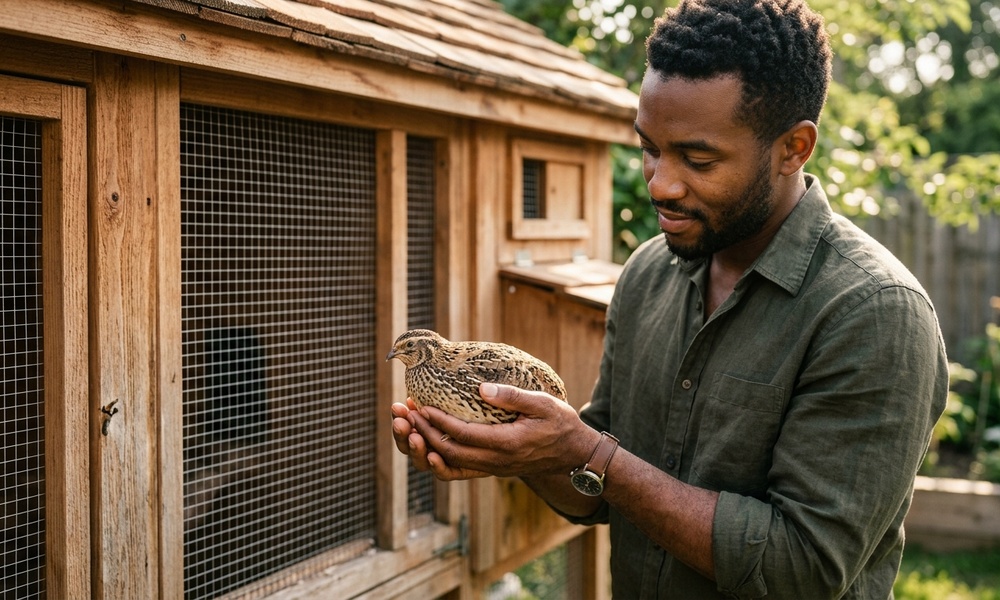
Are chickens or quail the better fit for a Texas backyard?
The answer depends on local rules, available shade and ventilation, predator pressure, noise tolerance, and your ability to provide daily care. Check municipal and HOA restrictions before choosing a species or enclosure.
Adding small livestock to a Texas backyard micro-farm closes the fertility loop: your kitchen and garden scraps turn into rich eggs and high-nitrogen manure that supercharges your compost pile.
However, between strict municipal ordinances, vocal roosters that wake up neighbors at 4:30 AM, urban coyotes, and 105°F heat waves, keeping backyard animals in Texas requires a thoughtful strategy.
- Heavy chicken breeds (like Jersey Giants or Orpingtons) suffer high mortality rates in humid Texas summer heat.
- Coturnix quail are virtually silent, mature in just 6 weeks, and are rarely prohibited by city or HOA poultry restrictions.
- Hardwire cloth (1/2-inch galvanized mesh) is mandatory to prevent Texas raccoons, rat snakes, and opossums from breaching coops.
- Electrolytes in water and frozen 2-liter bottles are critical life-saving cooling tools during August triple digits.
Chickens vs. Coturnix Quail: The Suburban Showdown
| Factor | Backyard Chickens | Coturnix Quail |
|---|---|---|
| Noise Level | Hens cluck loudly after laying; roosters are loud and often illegal. | Quiet cricket-like chirps; zero neighborhood noise complaints. |
| Time to First Egg | 18 to 24 weeks (4.5 to 6 months) | 6 to 8 weeks |
| Space Required | 4 sq ft coop + 10 sq ft run per bird | 1 sq ft per bird (ideal in raised hutch setups) |
| HOA Vulnerability | Frequently targeted by deed covenants. | Often classified as game birds; easy to keep 100% stealth. |
Heat Stress Protocols: Keeping Birds Alive at 105°F

Chickens and quail do not have sweat glands. They regulate body temperature entirely by panting and holding their wings away from their bodies. When high ambient heat is paired with Texas Gulf Coast humidity, heat stroke can wipe out a flock in a single afternoon.
Implement these four mandatory protocols every summer:
- Continuous Shade & Airflow: Coops must be located under dense tree canopies or North-facing eaves. Install solar-powered ventilation fans in enclosed coops.
- Frozen 2-Liter Ice Blocks: Freeze water bottles and place them in the coop dust baths twice daily. Birds will lay against them to cool their core temperature.
- Electrolyte Water Rotation: Add poultry electrolytes or a splash of raw apple cider vinegar to waterers during heat waves to combat respiratory alkalosis.
- Shallow Misting Stations: Set up a low-flow misting nozzle near an outdoor run corner so birds can cool down on demand.
Plan with reliable local information
Pair this overview with our Can Your Texas HOA Ban Your Backyard Garden or Rain Barrels? Know Your Legal Rights and The 12-Month Texas Backyard Farm Calendar: A Month-by-Month Action Plan.
Turn the advice into a workable backyard plan.
The 57-page Texas Micro-Farms Blueprint brings the planting calendars, yard assessment, soil and water planning, and printable worksheets together in one place.