North Texas Backyard Planting Plan: DFW
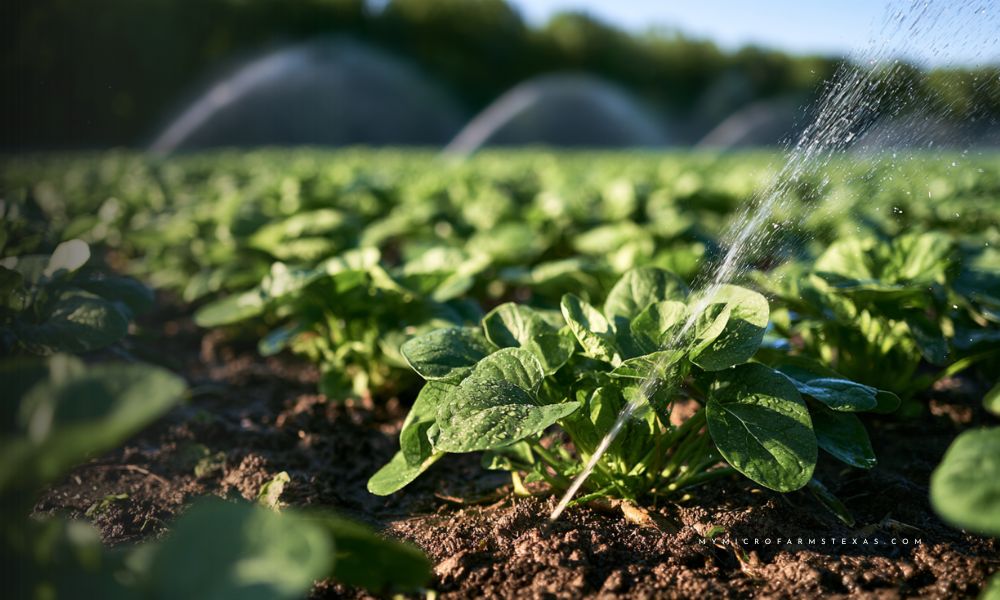
How should a DFW homeowner organize the vegetable-growing year?
Plan a cool-season start in late winter, a warm-season spring crop, heat-tolerant summer production, and a second major planting period for fall. Use a current North Texas planting chart for crop-specific dates and keep freeze protection available around seasonal edges.
Spring and fall carry much of the DFW vegetable calendar.
Improve drainage and organic matter without guessing at amendments.
Summer heat can shorten the productive period for tomatoes and beans.
Many fall crops begin from seed or transplants before cool weather arrives.
The DFW growing pattern
North Texas can move quickly from late freezes into hot weather. Cool-season crops begin before spring feels settled, while warm-season crops need enough time to establish and produce before peak heat. Fall planting often starts during hot weather so crops are ready when temperatures moderate.
Season-by-season priorities
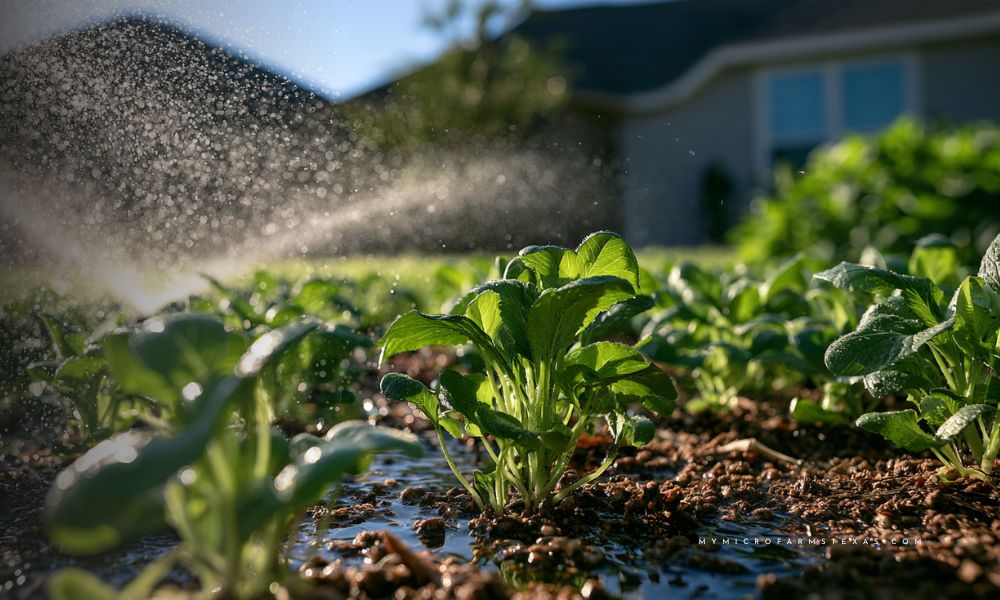
| Season | Main jobs | Useful crops |
|---|---|---|
| Late winter | Prepare beds; sow cool crops; set brassica transplants | Carrots, lettuce, radish, peas, broccoli |
| Spring | Plant after crop-specific frost risk; install drip and mulch | Tomatoes, peppers, beans, cucumbers, squash |
| Summer | Protect soil; monitor water; begin fall starts | Okra, southern peas, sweet potatoes |
| Fall | Reset beds; plant cool crops; prepare frost protection | Greens, roots, brassicas, herbs |
Working with North Texas clay
Do not amend by recipe alone. Check drainage, texture, and a soil test before adding fertilizer or minerals. Raised beds can improve drainage and access, but the purchased mix still needs stable organic matter, mineral content, and enough pore space for air and water.
Your DFW planning checklist
Choose crops your household will use, find the current North Texas planting dates, and mark the first tasks on a calendar. Confirm water access before planting. Keep the first bed small enough to weed, harvest, and replant throughout both major seasons.
Continue planning your Texas garden
Next, read our Texas planting zones and dates explained and raised-bed soil for Texas clay and caliche.
Turn this planting window into a workable backyard plan.
The 57-page Texas Micro-Farms Blueprint combines regional timing, yard assessment, soil and water planning, and printable worksheets in one practical guide.