The Texas Beekeeping Ag Valuation: How 5 to 20 Acres Can Slash Your Property Taxes
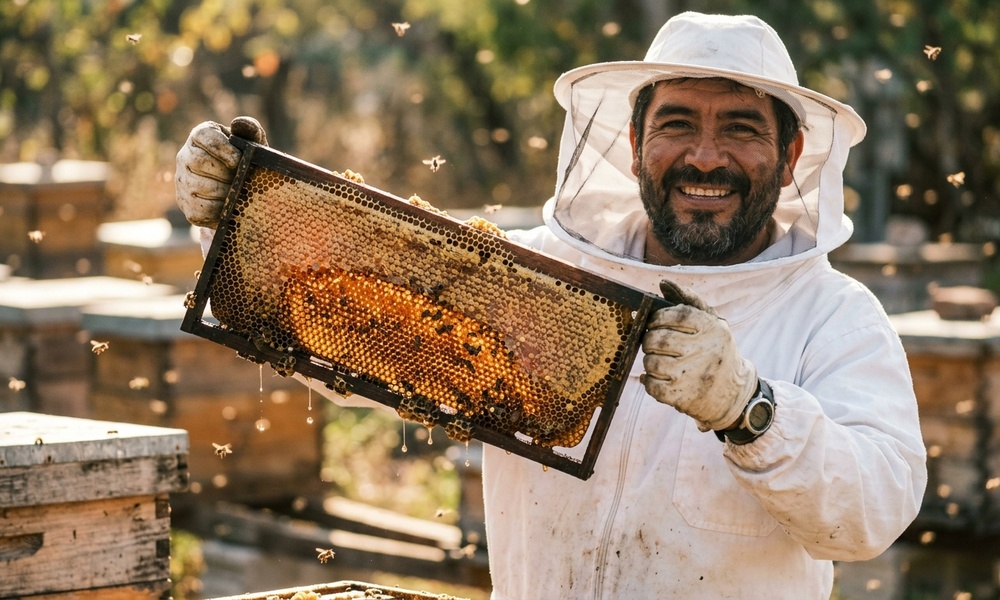
Does keeping bees automatically qualify Texas land for agricultural appraisal?
No. Beekeeping is an eligible agricultural use, but qualification depends on the land’s history, degree of intensity, local appraisal standards, acreage rules, and a timely application to the county appraisal district.
Texas property taxes are among the highest in the country. For owners of small homestead acreage (between 5 and 20 acres), annual property tax bills can run into the thousands of dollars, making rural living financially stressful.
Historically, agricultural valuations (often called “ag exemptions”) were reserved for large-scale cattle ranching, timber production, or commercial hay farming—enterprises that require tens of thousands of dollars in tractors, fencing, and livestock.
However, under Texas Tax Code §23.51(2), landowners can qualify for a special 1-d-1 agricultural valuation using honeybees on properties between 5 and 20 contiguous acres.
- Texas Tax Code §23.51(2) officially classifies beekeeping as an eligible agricultural use for property tax valuation.
- Qualifying acreage must be at least 5 acres and no more than 20 acres (excluding the 1-acre residential home site).
- Most County Appraisal Districts (CADs) require a minimum of 6 active hives for the first 5 acres, plus 1 hive per additional 2.5 acres.
- The property must demonstrate a 5-year agricultural history before receiving the full tax reduction rate.
How the Beekeeping Valuation Works
An agricultural valuation is not an exemption; it is a productivity assessment. Instead of taxing your land at its speculative market value (e.g., $30,000 to $50,000 per acre), the county taxes the land based on its productive agricultural capacity (often just $100 to $300 per acre).
This can reduce your annual rural land property tax bill by 80% to 95%, easily saving $3,000 to $8,000 every year.
Standard County Requirements (What You Must Maintain)
While guidelines vary slightly by county appraisal district (such as Travis, Williamson, Hays, Collin, or Denton CAD), most Texas counties adhere to these baseline rules:
- Minimum Hive Density: Typically 6 active, queen-right Langstroth or Top-Bar hives on the first 5 acres, and 1 additional hive for every additional 2.5 acres up to the 20-acre maximum.
- Forage & Water: You must maintain adequate flowering forage and a consistent water source on the property to support pollination.
- Logbooks & Inspection: You must keep detailed hive inspection records, photos of equipment, honey extraction records, and prove the hives are managed continuously from spring through fall.
- The 5-Year Qualification Period: To transition raw land into an ag valuation, the property must be actively used for agriculture in 5 out of the preceding 7 years.
Plan with reliable local information
Pair this overview with our How to Turn Backyard Abundance into Legal Cash: The Texas Cottage Food Law Overhaul and The 12-Month Texas Backyard Farm Calendar: A Month-by-Month Action Plan.
Turn the advice into a workable backyard plan.
The 57-page Texas Micro-Farms Blueprint brings the planting calendars, yard assessment, soil and water planning, and printable worksheets together in one place.
Pingback: How to Turn Backyard Abundance into Legal Cash: The Texas Cottage Food Law Overhaul - My Micro Farm Texas