How to Turn Backyard Abundance into Legal Cash: The Texas Cottage Food Law Overhaul
What changed under Texas cottage-food rules?
Texas expanded allowable cottage-food activity, but registration, labeling, temperature control, and sales-channel requirements vary by product. Use current DSHS guidance before producing or selling food.
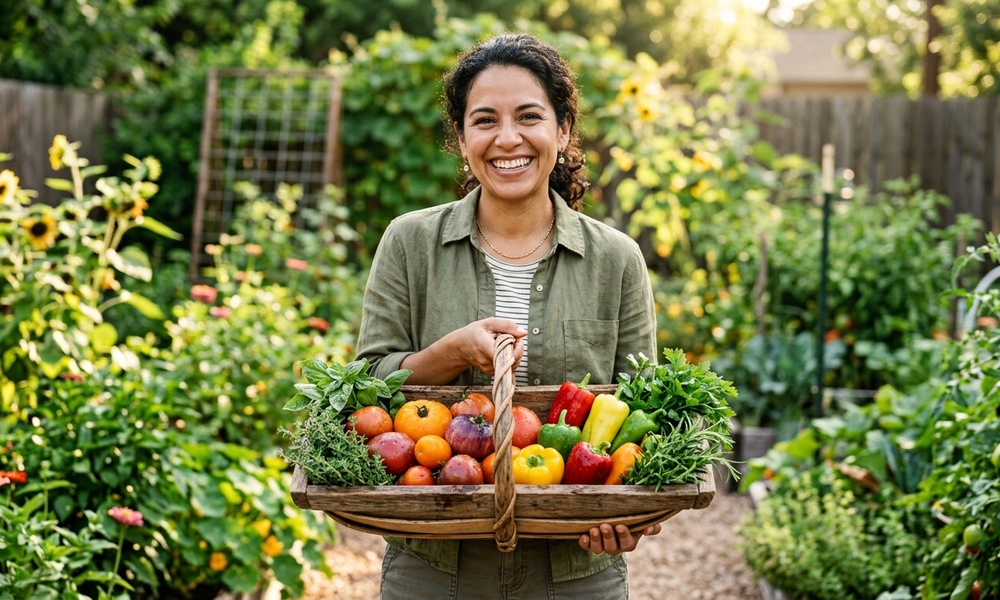
Once you dial in your soil and irrigation, a productive Texas micro-farm quickly produces more food than a single family can eat or freeze. That surplus of tomatoes, jalapeños, peaches, and herbs represents a real opportunity to generate side income right from your home.
Historically, selling prepared food in Texas required expensive health department permits and leased commercial kitchen space. Fortunately, the Texas Cottage Food Law—substantially overhauled by legislation including Senate Bill 541—allows home producers to sell safe, non-potentially hazardous food products directly to consumers.
- Texas Cottage Food operators can earn up to $150,000 in gross annual sales without a commercial kitchen license.
- Permitted foods include canned acidified foods (pickles, salsas), jams, fruit pies, dry herb blends, and baked goods.
- Sales are permitted at farmers markets, farm stands, community events, and direct-to-consumer delivery statewide.
- Every product must carry an official compliant label listing ingredients and required statutory disclosure text.
What You Can Legally Produce & Sell in Texas
The law covers foods that do not support the rapid growth of harmful bacteria at room temperature (known as “non-potentially hazardous” foods):
- Canned Acidified Foods: Pickled cucumbers, pickled jalapeños, kimchi, and acidified tomato salsas (with tested pH below 4.6).
- Fruit Jams & Jellies: Preserves made from berries, figs, peaches, and citrus.
- Dry Goods & Teas: Dried culinary herbs, dehydrated chili powders, tea blends, and custom spice rubs.
- Baked Goods: Artisan breads, cookies, rolls, and cakes that do not require refrigeration (no cream cheese or custard fillings).
- Uncut Fresh Produce: Whole vegetables, raw honey, and uncut fruit can be sold directly without restriction.
The 4 Mandatory Requirements to Stay 100% Legal
- Food Handler Certification: Complete a simple, accredited Texas Food Handler course online ($10–$15, valid for 2 years).
- Compliant Labeling: Every item sold must feature a label displaying your operation name, physical address, full ingredient list (in descending order by weight), allergen notices, and the exact statutory wording: “This food is made in a home kitchen and is not inspected by the Department of State Health Services or a local health department.”
- Direct-to-Consumer Transactions: Products must be sold directly to the end consumer—not wholesaled to grocery stores, gas stations, or restaurants.
- Safe Packaging: Items must be packaged in clean, sealed food-grade containers to prevent contamination during transit.
Plan with reliable local information
Pair this overview with our The Texas Beekeeping Ag Valuation: How 5 to 20 Acres Can Slash Your Property Taxes and The 12-Month Texas Backyard Farm Calendar: A Month-by-Month Action Plan.
Turn the advice into a workable backyard plan.
The 57-page Texas Micro-Farms Blueprint brings the planting calendars, yard assessment, soil and water planning, and printable worksheets together in one place.
Pingback: The Texas Beekeeping Ag Valuation: How 5 to 20 Acres Can Slash Your Property Taxes - My Micro Farm Texas