Why Texas Gardens Die in July: The Secret of the Two-Season Growing System
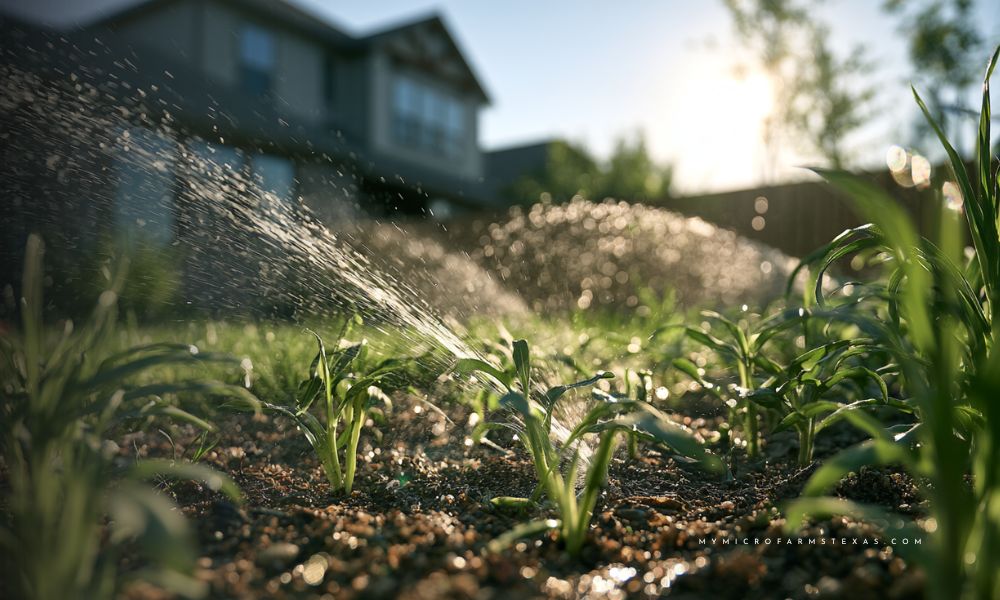
Why do many Texas vegetable gardens stop producing in midsummer?
Sustained heat can interrupt flowering, fruit set, and water balance in many familiar vegetables. Plan separate spring and fall production windows, then use midsummer for heat-tolerant crops and soil protection.
If you recently moved to Texas—or if you’ve tried gardening here using standard seed packet instructions—you’ve likely experienced the heartbreaking “July Crash.”
Your tomato plants shot up in April, bloomed beautifully in May, and looked primed for a bountiful harvest. But as soon as late June arrived and triple-digit heat set in, every flower blossom dropped off without setting fruit. Leaves scorched, spider mites colonized your vines, and by mid-July, your lush raised beds looked like kindling.
Here is the hard truth that national gardening books fail to mention: Texas does not have one continuous summer growing season. Texas has two distinct growing seasons, divided by a brutal midsummer hiatus.
- Texas summer is not harvest season—it is a physiological dormancy and survival period for most temperate vegetables.
- Nighttime temperatures above 75°F cause tomato pollen to turn sterile, preventing fruit set from late June through mid-August.
- The Fall Garden (planted in August) is often longer, less pest-ridden, and more productive than the Spring Garden.
- Timing planting dates to your specific Texas county frost window is the single biggest determinant of backyard success.
The Biological Reality of 100°F+ Texas Summers
Most popular kitchen vegetables—including tomatoes, bell peppers, green beans, and cucumbers—evolved in temperate climates. While they enjoy warm sun, their reproductive biology breaks down when temperatures cross critical thresholds:
- Pollen Sterility: When nighttime temperatures stay above 75°F to 78°F, tomato blossoms drop off unfertilized. You can water twice a day and fertilize heavily, but the heat prevents pollination.
- Root Heat Stress: In dark plastic containers or shallow in-ground soil, surface root temperatures can exceed 110°F, halting nutrient uptake.
- Pest Explosions: Spider mites, harlequin bugs, and squash vine borers reach peak population cycles during hot, dry spells.
The Two-Season Framework Explained
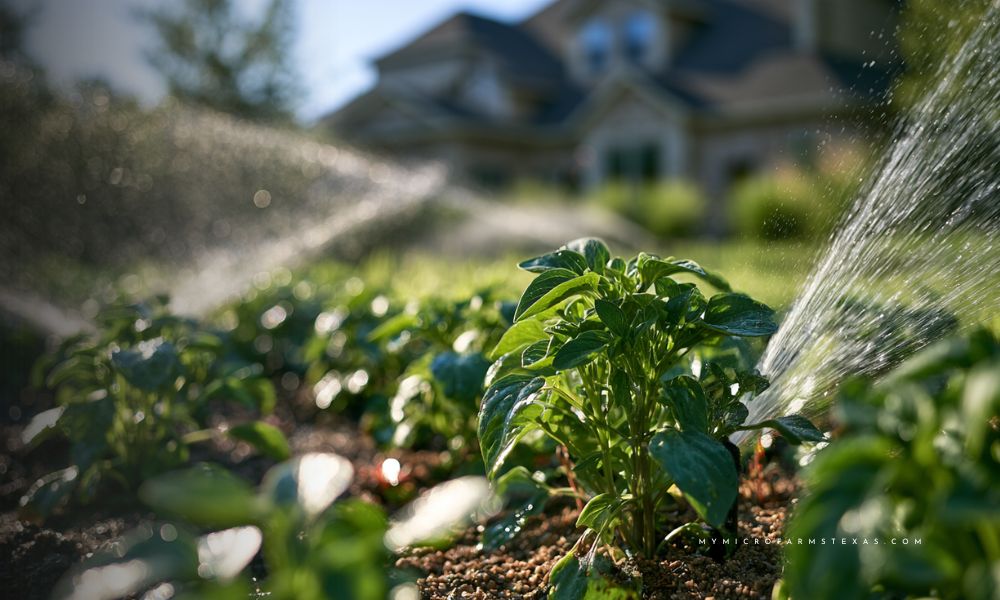
Successful Texas growers do not fight July and August; they work around them using two operational windows:
Season 1: The Spring Surge (February – June)
The goal of spring is to get cold-hardy crops in the ground by February and heat-loving transplants in place the moment your region’s last freeze risk passes (often mid-March in North/Central Texas). The objective is harvesting as much as possible before the heat dome locks in around Father’s Day.
The Summer Hiatus: Survival & Heat Champions (July – Mid-August)
During the peak inferno, your focus shifts to keeping perennial soil alive, maintaining deep drip irrigation, using 30–40% shade cloth, and growing heat-loving regional specialties like okra, southern cowpeas, sweet potatoes, and Malabar spinach.
Season 2: The Fall Goldmine (August – December)
This is the secret weapon of the Lone Star State. In August, while everyone else has given up on gardening, savvy Texas growers start their fall seeds indoors or under shade. As October and November bring warm sunny days and cool 55°F nights, your fall tomatoes, broccoli, carrots, and brassicas will produce sweet, crisp harvests right through the holiday season.
Regional Texas Planting Calendar Overview
| Texas Region | Average Last Spring Freeze | Fall Seed Starting Window | Average First Fall Freeze |
|---|---|---|---|
| North Texas (DFW, Zone 8a) | March 15 – March 20 | Late July – Early August | November 15 – 22 |
| Central / Hill Country (Austin, Zone 8b) | March 1 – March 10 | Early – Mid August | November 25 – Dec 5 |
| Gulf Coast / Houston (Zone 9a/9b) | February 15 – March 1 | Mid August – Early September | December 15 – January |
| Panhandle & High Plains (Zone 6b/7a) | April 15 – April 25 | Early July | October 20 – 30 |
Plan with reliable local information
Pair this overview with our 10 Heat-Resistant Vegetables That Thrive in 100°F Texas Summers and The 12-Month Texas Backyard Farm Calendar: A Month-by-Month Action Plan.
Turn the advice into a workable backyard plan.
The 57-page Texas Micro-Farms Blueprint brings the planting calendars, yard assessment, soil and water planning, and printable worksheets together in one place.
Pingback: The 12-Month Texas Backyard Farm Calendar: A Month-by-Month Action Plan - My Micro Farm Texas
Pingback: 10 Heat-Resistant Vegetables That Thrive in 100°F Texas Summers - My Micro Farm Texas
Pingback: Texas Planting Zones vs. Planting Dates: What Homeowners Need - My Micro Farm Texas
Pingback: Drought-Proofing Your Texas Micro-Farm: Rainwater Math, Drip Schedules, and Tax Code §151.355 - My Micro Farm Texas